SHREVEPORT, La. — Hearing backlash from residents, cities and counties across the country in recent weeks have blocked planned data centers amid concerns over rising electricity prices and environmental harms.
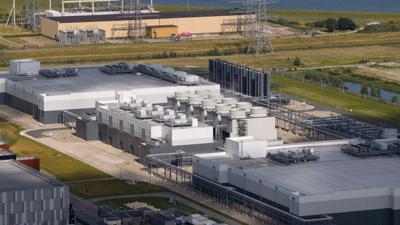
The local actions come as state lawmakers also are looking to limit or repeal the incentives for the centers, which are sprawling campuses of computer servers that store and transmit the data behind apps and websites.
Supporters of the pauses say cities need rules before projects arrive, especially to answer residential concerns about electricity use, energy costs and nuisance issues. Industry supporters argue data centers bring jobs and tax revenue and are an essential part of the nation’s digital infrastructure. They warn that communities that block data centers are sacrificing those benefits.
The Denver City Council this month unanimously approved a one-year moratorium on data centers, halting new zoning permits and site development plans while the city drafts rules for future projects. In April, Oklahoma City approved a similar moratorium that will be in effect until the end of this year, or until the city updates its zoning code. Tulsa, Okla., also approved a temporary stop on new data center construction, though major projects already in the pipeline will be allowed to proceed.
Smaller communities are taking similar steps.
In Illinois, both Bloomington and Normal earlier this month approved six-month moratoriums, and Morgan County took the same action in April. In Michigan, Huron County this week approved a three-year moratorium, joining roughly 20 other Michigan communities that have paused data center construction.
In Georgia, Camden County enacted a six-month moratorium earlier this month, becoming the first community on the state’s coast to do so. And a cluster of counties in North Carolina have hit pause, including Chatham County in Feb. and Orange County (which includes Chapel Hill) in April.
But not all cities are souring on data centers: Cheyenne, Wyo., this week opted not to proceed with a one-year moratorium after a lengthy public hearing.
A study released at the end of late last year by researchers at the Lawrence Berkeley National Laboratory estimated U.S. data centers used about 4.4% of U.S. electricity two years ago, with projected use rising to between 6.7% and 12% by 2028.
A March Gallup poll found that seven in 10 Americans would oppose the nearby construction of data centers for artificial intelligence (AI), higher than the 53% of respondents who said they would oppose living near a nuclear power plant.
Keep it Clean. Please avoid obscene, vulgar, lewd,
racist or sexually-oriented language. PLEASE TURN OFF YOUR CAPS LOCK. Don't Threaten. Threats of harming another
person will not be tolerated. Be Truthful. Don't knowingly lie about anyone
or anything. Be Nice. No racism, sexism or any sort of -ism
that is degrading to another person. Be Proactive. Use the 'Report' link on
each comment to let us know of abusive posts. Share with Us. We'd love to hear eyewitness
accounts, the history behind an article.



(0) comments
Welcome to the discussion.
Log In
Keep it Clean. Please avoid obscene, vulgar, lewd, racist or sexually-oriented language.
PLEASE TURN OFF YOUR CAPS LOCK.
Don't Threaten. Threats of harming another person will not be tolerated.
Be Truthful. Don't knowingly lie about anyone or anything.
Be Nice. No racism, sexism or any sort of -ism that is degrading to another person.
Be Proactive. Use the 'Report' link on each comment to let us know of abusive posts.
Share with Us. We'd love to hear eyewitness accounts, the history behind an article.