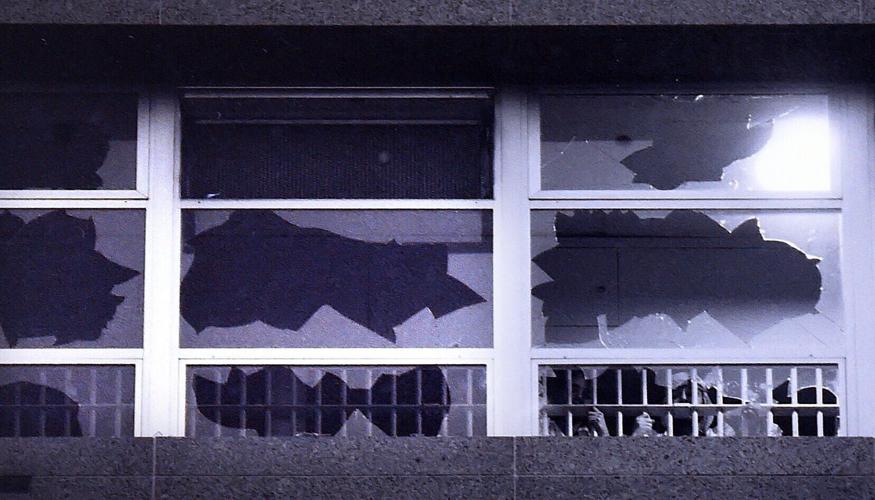
Inmates hands can be seen holding onto bars during a riot in the Yellowstone County Jail in 1979. At the time the jail was on the top floor of the Yellowstone County Courthouse.
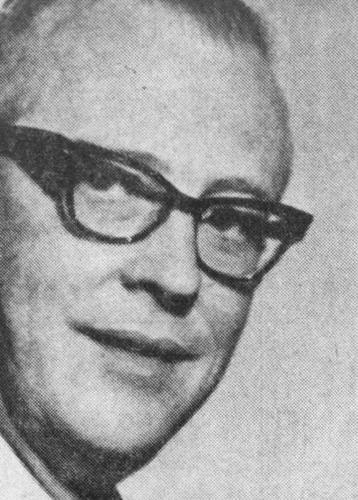
James Franklin Battin, who served in the U.S. House of Representatives and later became a U.S. District Court judge, lived in Billings for many years up until his death in 1996. Battin served in Congress from 1961 to 1969. Two buildings in Billings have been named after Battin, including the current James F. Battin Federal Courthouse and the former courthouse, now known as the Stillwater Building.
If passed, $175 million in bonds would be issued to fund a 332-bed expansion, bringing the jail’s maximum capacity up to 767 inmates, and $20 million would be levied annually to fund it. If the measures fail, county leaders will face a gambit of tough questions regarding the path forward.
So, while county leaders may not know what the future holds for their attempts to ease jail overcrowding, they most certainly do not want to undergo a repeat of events from the last time Yellowstone County built a new jail.
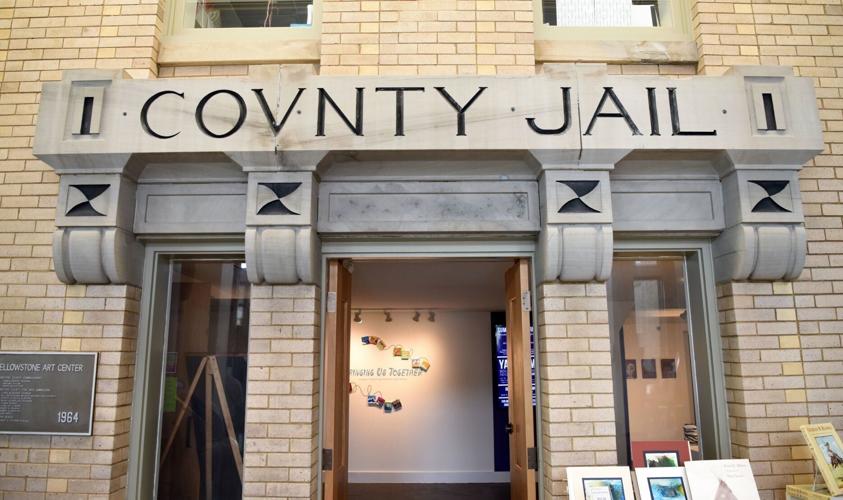
It’s first, opened in 1884, was located at 401 N. 27th St. and served as the county jail until 1961, after which the building was repurposed into the Yellowstone Art Museum.
Inside the Yellowstone Art Museum lies the original Yellowstone County Jail sign.
AMY NELSON, Billings Gazette
The county’s second jail was located on the eighth floor of the Yellowstone County Courthouse and was in use from 1961 until 1987, when construction was completed on the current Yellowstone County Detention Facility.
Several factors played roles in the switches, such as outdated facilities, increased prisoner loads and in one instance a federal court order.
‘Inhuman conditions’
On Oct. 3, 1979, 15 inmates in the county jail started a small riot, smashing windows, tearing up plumbing and barricading themselves into one of the cellblocks.
Fed up with what they described as “inhuman conditions,” the inmates caused no injuries, took no hostages and only demanded to meet with the media to publicly plead their case.
“We don’t want any violence we just want to make people aware of what we’re doing,” one inmate yelled to a gathered crowd on the street below through a broken eighth floor courthouse window.
Inmates hands can be seen holding onto bars during a riot in the Yellowstone County Jail in 1979. At the time the jail was on the top floor of the Yellowstone County Courthouse.
LARRY MAYER Billings Gazette
Then County Sheriff Dick Shaffer promised to let the inmates meet with members of the media after he completed an investigation into the incident. Soon after, the riot was quelled peacefully.
After completing his investigation, Shaffer kept his promise and allowed the prisoners to meet with the media.
While speaking with reporters, the inmates detailed their list of complaints, among them inconsistent visiting hours, censorship of mail, poor living conditions and inadequate access to medical treatments and legal services.
“I’ve been in other jails, and this is the worst one I’ve ever been in,” Morgan W. Allore, one of the inmates, said to reporters.
After the riot, Shaffer said he wanted to improve living conditions at the jail but didn’t have the requisite funds to do so. However, he said most of the problems with the jail stemmed from inmate overcrowding.
“Shaffer said the major problem was simply overcrowding in an inadequate jail,” reporter Lorna Thackery wrote in the Friday, October 5, 1979, edition of the Billings Gazette. “The facility was designed for 62 prisoners, he said, and, on some weekends, there are more than 80 prisoners in the cells.”
The ACLU gets involved
In the aftermath of the riot, several ideas were thrown around to increase the size of the county jail, but no concrete plans ever materialized and overcrowding persisted.
“A lawsuit alleging that the general conditions of confinement in the Yellowstone County Jail are such as to subject inmates to cruel and unusual punishment would have a very high chance of success,” consultant Blake Sutton wrote in an independent 1980 report of the county jail.
Before the case went to trial, the two sides negotiated a settlement, presided over by U.S. District Court Judge James Battin.
James Franklin Battin, who served in the U.S. House of Representatives and later became a U.S. District Court judge, lived in Billings for many years up until his death in 1996. Battin served in Congress from 1961 to 1969. Two buildings in Billings have been named after Battin, including the current James F. Battin Federal Courthouse and the former courthouse, now known as the Stillwater Building.
File photo
County officials agreed to reduce and cap the number of inmates in the jail to its maximum capacity of 62, while simultaneously working to increase the standards of living for inmates. Because of the county’s concessions, Renz, the ACLU and the inmates agreed to drop their suit.
“Renz believes he and the ACLU have been vindicated by Battin’s verdict,” Patricia Elich wrote in the Sunday, October 31, edition of the Billings Gazette. “The suit he said, forced Yellowstone County to open its eyes to the plight of jail prisoners.”
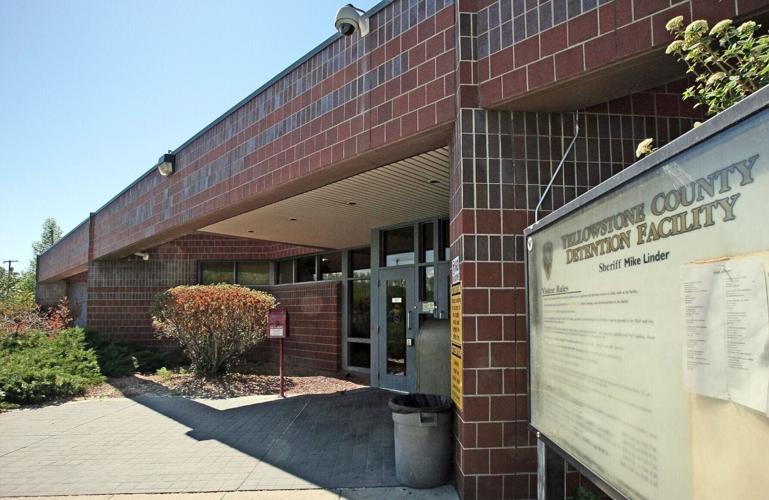
The Yellowstone County Detention Facility
After reducing the number of inmates to 62, county officials began looking at options for expansion.
However, they quickly realized expanding the eighth-floor jail would be too expensive and in November of 1984 put a $7.6 million bond on the ballot to construct a new detention center.
Originally, the new jail held a maximum of 174 inmates, but by the mid-1990s, overcrowding again became a concern.
To address the issue, two new dormitories were constructed in 1997, adding around 100 more beds to the jail. In 2018, the county built a second 148-bed expansion solely to house female prisoners, bringing the facility to its current maximum capacity of 434.
The Yellowstone County Detention Facility needs to be expanded and upgraded, county leaders say.
BOB ZELLAR, Billings Gazette
Despite these expansions, inmate counts have continued to increase and jail overcrowding has once again become a preeminent issue in Yellowstone County.
“It enters the thoughts of my prosecutors," County Attorney Scott Twito said at a pro jail bond rally on July 21. "It enters the thoughts of the judges. It enters the thoughts of law enforcement when they're trying to make an arrest on the street. Is the jail going to take this person? How crowded is the jail? If we don't have a jail that can meet the demands placed on it, the system really is impacted.”
Keep it Clean. Please avoid obscene, vulgar, lewd,
racist or sexually-oriented language. PLEASE TURN OFF YOUR CAPS LOCK. Don't Threaten. Threats of harming another
person will not be tolerated. Be Truthful. Don't knowingly lie about anyone
or anything. Be Nice. No racism, sexism or any sort of -ism
that is degrading to another person. Be Proactive. Use the 'Report' link on
each comment to let us know of abusive posts. Share with Us. We'd love to hear eyewitness
accounts, the history behind an article.



(0) comments
Welcome to the discussion.
Log In
Keep it Clean. Please avoid obscene, vulgar, lewd, racist or sexually-oriented language.
PLEASE TURN OFF YOUR CAPS LOCK.
Don't Threaten. Threats of harming another person will not be tolerated.
Be Truthful. Don't knowingly lie about anyone or anything.
Be Nice. No racism, sexism or any sort of -ism that is degrading to another person.
Be Proactive. Use the 'Report' link on each comment to let us know of abusive posts.
Share with Us. We'd love to hear eyewitness accounts, the history behind an article.